

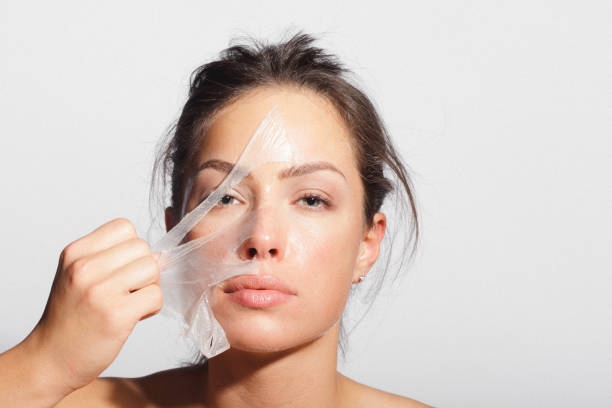
If you’ve been considering a chemical peel for dullness, uneven skin tone, acne or rough texture, you’ve probably noticed that prices can vary considerably between clinics.
One clinic may quote ₹3,000 for a chemical peel, while another may charge ₹7,000 or more. So, what’s the difference, and how do you know what your skin actually needs?
The answer comes down to more than the name of the peel.
Chemical peel costs in Mumbai generally range from approximately ₹2,000 to ₹8,000 per session for many commonly offered treatments, depending on the formulation, strength, treatment area and clinic. More specialised or intensive procedures may cost more.
But here’s something we believe is worth understanding: not every chemical peel works in the same way, and a more expensive peel isn’t necessarily more appropriate for your skin.
At Skin Series in Thane West, we begin by understanding your skin concerns, sensitivity, pigmentation history and treatment goals before recommending a procedure.
Our approach to chemical peel treatments is doctor-led and personalised, with particular consideration for the needs of Indian and brown skin.
Let’s look at what influences the cost and what you can expect from treatment.
How Much Does a Chemical Peel treatment Cost in Mumbai?
A chemical peel in Mumbai typically costs between ₹2,000 and ₹8,000 per session, depending on the peel type, concentration, treatment area and clinic. Glycolic, salicylic, mandelic and lactic acid peels generally cost ₹2,000–₹6,000, while TCA, Jessner’s and yellow or retinol-based peels may cost ₹3,500–₹8,000 per session. The total treatment cost depends on the number of sessions recommended and your individual skin concerns.
Here is an overview of indicative pricing for different chemical peel categories.
| Chemical peel type | Indicative price per session |
| Glycolic acid peel | ₹2,000–₹6,000 |
| Salicylic acid peel | ₹2,000–₹6,000 |
| Mandelic acid peel | ₹2,000–₹6,000 |
| Lactic acid peel | ₹2,000–₹6,000 |
| TCA peel | ₹3,500–₹7,000 |
| Jessner’s peel | ₹4,000–₹8,000 |
| Yellow or retinol-based peel | ₹4,000–₹8,000 |
Please Note: These are broad illustrative market estimates based on publicly advertised prices, not Skin Series treatment prices or verified Mumbai-wide averages. Actual costs may fall outside the listed ranges depending on the clinic, formulation, concentration, treatment depth and individual requirements.
These categories also aren’t necessarily comparable simply because they have different names.
For example, a superficial TCA peel may involve a different treatment approach from a deeper TCA peel. Similarly, two products described as yellow peels may contain different combinations of ingredients.
At Skin Series, we don’t recommend a peel based on its popularity or price. We assess your skin first, then select a formulation and treatment protocol appropriate for your concern.
Wondering what a chemical peel might cost for your skin? During your consultation, we’ll assess your concerns, determine whether a peel is suitable and explain the recommended treatment and its cost.
How much does a chemical peel cost per session in Mumbai?
The cost of a chemical peel in Mumbai ranges from approximately ₹2,000 to ₹8,000 per session. Superficial peels such as glycolic and salicylic acid peels generally cost ₹2,000–₹6,000, while specialised peels such as Jessner’s and retinol-based peels may cost ₹4,000–₹8,000. The final price depends on your skin condition and the recommended formulation.
Understanding Different Chemical Peels and Their Uses
Chemical peels use carefully selected solutions to exfoliate the skin and encourage renewal.
Depending on the formulation and depth, they may help improve the appearance of dullness, uneven texture, certain types of acne and selected pigmentation concerns.
However, not every peel is appropriate for every skin type.
Here’s how some commonly used chemical peel ingredients differ.
1. Glycolic Acid Peels
Glycolic acid is an alpha hydroxy acid (AHA) that helps exfoliate the outer layers of the skin.
Depending on the concentration and treatment protocol, it may be considered for concerns such as:
- Dull-looking skin.
- Uneven surface texture.
- Roughness.
- Selected superficial pigmentation.
Glycolic acid peels can vary significantly in strength, so suitability depends on your skin’s condition and tolerance.
2. Salicylic Acid Peels
Salicylic acid is a beta hydroxy acid (BHA) commonly used in treatments for oily and congestion-prone skin.
It may be considered for selected concerns involving:
- Excess oil.
- Blackheads and whiteheads.
- Clogged pores.
- Certain forms of acne.
However, a salicylic acid peel is not a substitute for complete acne management when breakouts are persistent, inflamed or more severe.
In such cases, we may recommend a broader treatment approach rather than relying on an isolated peel.
3. Mandelic Acid Peels
Mandelic acid is an AHA used in selected exfoliating treatments for concerns such as mild uneven texture, acne-prone skin and certain pigmentation-related issues.
It is sometimes considered when a gentler exfoliating approach may be appropriate.
However, the formulation, concentration and individual skin response still matter. A peel described as gentle isn’t automatically suitable for everyone.
4. Lactic Acid Peels
Lactic acid is another AHA used to exfoliate the skin and improve selected surface concerns.
Depending on the formulation, it may be considered for:
- Dull-looking skin.
- Mild uneven tone.
- Rough surface texture.
We assess your skin’s hydration, sensitivity and treatment history before deciding whether this type of peel is appropriate.
5. TCA Peels
TCA, or trichloroacetic acid, can be used in different concentrations to achieve varying depths of exfoliation.
Selected TCA formulations may be considered for pigmentation, texture and other skin concerns.
However, the strength and depth of treatment can significantly affect recovery and risk.
Medium-depth and deeper TCA treatments require particularly careful patient selection because they may involve more pronounced peeling, irritation and a greater risk of pigmentation changes or scarring.
For Indian and brown skin, these considerations are especially important.
6. Jessner’s Peels
Jessner’s solution is a combination peel formulation traditionally containing exfoliating ingredients such as salicylic acid, lactic acid and resorcinol, although modern formulations can vary.
Depending on the product and protocol, it may be considered for selected acne, pigmentation or textural concerns.
Its suitability depends on the formulation, application and individual skin condition.
7. Yellow or Retinol-Based Peels
Yellow peels and retinol-based peels are categories of specialised formulations that may contain retinoids and other active ingredients.
They may be considered for selected concerns involving uneven tone, dullness and skin texture.
Because formulations differ, the name alone doesn’t tell you how strong a peel is or what recovery may be required.
At Skin Series, we evaluate your skin and treatment goals before recommending a particular formulation.
The important thing to remember is that you don’t need to choose between these ingredients yourself. Our role is to determine whether a chemical peel is appropriate and, if so, select the formulation and strength suited to your skin.
Can Chemical Peels Help With Acne, Pigmentation and Dull Skin?
Chemical peels can serve different purposes depending on the concern being treated.
However, acne, pigmentation and dullness are not interchangeable conditions, and the treatment approach should reflect that.
Chemical Peels for Acne-Prone Skin
If you’re dealing with oily skin, clogged pores or certain forms of mild acne, a suitable chemical peel may be considered as part of your treatment plan.
However, persistent or inflammatory acne often requires more than a single procedure.
At Skin Series, our Acne Erase Program focuses on managing active and recurring acne through a structured approach that may include appropriate chemical peels, extractions, LED light therapy and personalised home care.
We begin by understanding your acne type and severity before recommending treatment.
Chemical Peels for Pigmentation and Post-Acne Marks
Certain chemical peels may help improve selected forms of superficial pigmentation and uneven skin tone.
However, different pigmentation concerns behave differently.
Post-acne marks, sun-related pigmentation and melasma don’t necessarily respond to the same treatment. An unsuitable peel can worsen pigmentation, particularly if it causes excessive inflammation.
For persistent post-acne pigmentation or selected uneven-tone concerns, we may consider a more structured pigmentation-focused approach.
Our Blemish Free Program is designed for suitable pigmentation concerns, particularly after active acne has been brought under control.
The program uses a separate treatment approach and is not interchangeable with chemical peeling. Melasma also requires its own clinical management plan.
Chemical Peels for Dullness and Uneven Texture
If your skin appears dull or feels rough, a carefully selected superficial peel may help improve its texture and appearance.
However, not all dullness is caused by accumulated dead skin cells.
Dehydration, irritation, impaired skin-barrier function and other concerns may require a different approach.
Sometimes, adjusting your skincare routine is more appropriate than undergoing an exfoliating procedure.
At Skin Series, we focus on understanding the cause before recommending treatment.
How Many Chemical Peel Sessions Will You Need?
One of the most common questions we hear is whether a single chemical peel is enough.
The answer depends on what we’re treating.
Someone considering a superficial peel for mild dullness may have different requirements from someone undergoing treatment for selected pigmentation or persistent textural concerns.
At Skin Series, we may recommend approximately 3–6 sessions for certain skin concerns, depending on the peel selected and your individual response.
However, not everyone needs a complete course. In some cases, a single treatment may be appropriate.
How Do We Plan Your Sessions?
Our approach generally involves:
- Skin assessment: We evaluate your skin type, sensitivity, concerns and treatment history.
- Treatment selection: We determine whether a peel is suitable and select an appropriate formulation.
- Session planning: We recommend a treatment schedule based on your concern and the expected skin response.
- Progress review: We assess how your skin responds and adjust the plan when appropriate.
- Aftercare: We provide guidance on sun protection, skincare and supporting the skin barrier.
We don’t recommend additional sessions simply because a particular number is commonly advertised.
Your treatment plan should reflect your skin’s needs and how it responds over time.
What Is the Total Cost of Chemical Peel Treatment?
The overall cost depends on the type of peel recommended and the number of sessions required.
For example, a person seeking improvement in mild surface dullness may need a different treatment plan from someone dealing with persistent pigmentation.
Similarly, the cost of a superficial peel can differ from a more specialised treatment.
Rather than quoting a standard course price, we believe it’s more useful to understand what your individual treatment plan involves.
At Skin Series, we explain the recommended treatment, expected number of sessions and associated costs following your consultation.
This allows us to provide a quotation based on your skin’s actual requirements rather than a predetermined package.
What Factors Affect Chemical Peel Treatment Costs?
Several factors influence the cost of chemical peel treatment in Mumbai.
1. Peel Formulation and Strength
Different peeling agents, concentrations and formulations have different clinical requirements.
The same named ingredient can also be used at different strengths, which may affect treatment depth and recovery.
2. Your Skin Concern
A peel selected for mild texture concerns may differ from one used for suitable acne-prone skin or pigmentation concerns.
The underlying issue determines the treatment approach.
3. Number of Sessions
Some concerns may be addressed through a limited number of appointments, while others may require a structured course.
We recommend the number of sessions based on your skin’s response and treatment goals.
4. Treatment Area
The cost can vary depending on whether the procedure is performed on the face, neck or another suitable area.
5. Medical Expertise and Clinic Standards
Professional assessment, suitable treatment selection, clinical protocols and appropriate supervision all contribute to treatment planning.
These considerations are particularly important when treating skin prone to sensitivity or pigmentation changes.
6. Aftercare Requirements
Depending on the peel and your skin condition, your treatment plan may include appropriate moisturisers, sunscreen or other recommended skincare products.
Aftercare helps support recovery and should be considered part of the treatment process.
Are Chemical Peels Suitable for Indian and Brown Skin?
Chemical peels can be suitable for Indian and brown skin when the formulation, strength and treatment protocol are selected appropriately.
However, deeper skin tones can be more susceptible to post-inflammatory hyperpigmentation following irritation or skin injury.
That means a peel that is well tolerated by one person may not be appropriate for another.
At Skin Series, we consider factors such as:
- Your skin tone and sensitivity.
- Existing pigmentation or active acne.
- Previous reactions to peels or skincare products.
- Your current skincare routine and medications.
- Recent sun exposure.
- The treatment area and expected recovery requirements.
What Are the Possible Side Effects?
Depending on the peel’s formulation and depth, temporary side effects may include:
- Redness or sensitivity.
- Dryness and tightness.
- Flaking or visible peeling.
- Temporary irritation.
Stronger peels may involve longer recovery and greater risks, including pigmentation changes, infection or scarring.
We explain relevant risks and aftercare before proceeding with treatment.
What Should You Avoid After a Chemical Peel?
Your aftercare instructions will depend on the peel used, but we generally recommend:
- Protecting your skin from excessive sun exposure.
- Using appropriate sunscreen.
- Avoiding picking or pulling at peeling skin.
- Following the prescribed moisturising and skincare routine.
- Avoiding harsh exfoliants or active ingredients until advised.
- Contacting the clinic if you experience significant pain, blistering or an unusual skin reaction.
We also advise against experimenting with strong at-home chemical peels without professional guidance.
Appropriate preparation and aftercare are important parts of treatment, particularly for pigmentation-prone skin.
Our Approach to Chemical Peel Treatments at Skin Series, Thane
At Skin Series, we don’t believe that every dull complexion needs a peel or that every pigmentation concern should be treated with the same exfoliating solution.
We begin by understanding your skin.
Is your primary concern uneven texture? Are you dealing with recurrent breakouts? Has pigmentation developed after acne? Is your skin sensitive or prone to irritation?
These details help us determine whether a chemical peel is appropriate and what kind of treatment approach may be suitable.
What Can You Expect From Our Approach?
Doctor-Led Skin Assessment
We evaluate your skin condition, concerns, previous treatments and individual goals before recommending a procedure.
Personalised Peel Selection
We select the formulation and treatment strength based on clinical assessment rather than following a standard approach for everyone.
Consideration for Indian and Brown Skin
We pay particular attention to skin sensitivity, pigmentation history and the potential for post-inflammatory hyperpigmentation.
Thoughtful Treatment Planning
We recommend sessions based on the concern being treated and your skin’s response, without assuming everyone needs the same course.
Aftercare and Progress Reviews
We guide you on caring for your skin after treatment and review your progress when appropriate.
Chemical peels can also form part of a broader treatment plan when clinically indicated.
For recurring acne, we may recommend our Acne Erase Program. For suitable pigmentation concerns after the skin is stable, our Blemish Free Program may be more appropriate.
Our aim is to recommend care that addresses your actual concerns rather than simply adding another procedure to your routine.
Frequently Asked Questions About Chemical Peel Cost in Mumbai
1. How much does a chemical peel cost in Mumbai?
Chemical peel costs in Mumbai vary depending on the formulation, strength, treatment depth and clinic.
For many commonly offered chemical peels, indicative published prices range from approximately ₹2,000–₹8,000 per session. More specialised or intensive procedures may cost more.
At Skin Series, we provide an individual quotation following your skin assessment.
2. How much does a glycolic acid peel cost?
Indicative Mumbai pricing for glycolic acid peels may range from approximately ₹2,000–₹6,000 per session.
The actual cost depends on the formulation, strength and clinic. We determine whether glycolic acid is appropriate after assessing your skin.
3. How much does a salicylic acid peel cost?
Salicylic acid peels may cost approximately ₹2,000–₹6,000 per session based on illustrative market estimates.
They may be considered for selected oily or acne-prone skin concerns, but they are not suitable for every type of acne.
4. How much does a TCA peel cost in Mumbai?
Published local clinic prices suggest an indicative range of approximately ₹3,500–₹7,000 per session for commonly advertised TCA peel treatments.
However, TCA peels vary in concentration and depth. More intensive procedures may have different pricing, recovery requirements and risks.
5. How much does a yellow or retinol-based peel cost?
An indicative price range for commonly advertised yellow or retinol-based peels is approximately ₹4,000–₹8,000 per session.
The actual cost depends on the formulation, treatment protocol and clinic.
6. How many chemical peel sessions will I need?
The number of sessions depends on your skin concern, the peel selected and your response.
At Skin Series, we may recommend approximately 3–6 sessions for certain concerns, although some patients may benefit from a single session.
7. How long does a chemical peel session take?
A chemical peel appointment generally takes approximately 30–45 minutes at Skin Series.
The exact duration can vary depending on the procedure and treatment area.
8. Are chemical peels suitable for Indian skin?
Chemical peels can be appropriate for Indian and brown skin when carefully selected.
However, irritation can lead to pigmentation changes, particularly in susceptible skin types. We assess your skin tone, sensitivity and pigmentation history before recommending treatment.
9. Can chemical peels help with acne marks or pigmentation?
Certain peels may help improve selected superficial pigmentation and post-acne marks.
However, melasma and other complex pigmentation concerns may require a different management approach.
We identify the type of pigmentation before recommending treatment.
10. Is there downtime after a chemical peel?
Recovery depends on the formulation and depth of the peel.
Some superficial peels may cause mild redness or flaking, while stronger treatments can involve more noticeable peeling and longer recovery.
We’ll explain what to expect before your appointment.
11. Can a chemical peel permanently remove pigmentation?
Chemical peels may improve selected forms of pigmentation, but permanent removal cannot be guaranteed.
Pigmentation can recur because of factors such as sun exposure, hormonal changes or further inflammation.
Appropriate skincare, sun protection and maintenance may be recommended.
12. How can I find out the chemical peel cost at Skin Series?
During your consultation, we’ll assess your skin, identify your concerns and determine whether a chemical peel is appropriate.
We’ll then explain the recommended treatment, expected sessions and associated costs so you can make an informed decision.
The Right Chemical Peel Begins With Understanding Your Skin
If you’re researching chemical peel cost in Mumbai, comparing prices is a reasonable place to start.
However, the cost of an individual session doesn’t tell you whether a particular peel is appropriate for your skin.
The formulation, strength, treatment depth and number of sessions all depend on what we’re trying to address.
At Skin Series, we believe that good aesthetic care begins with careful assessment and thoughtful treatment planning.
You don’t need to arrive knowing whether you need a glycolic acid peel, salicylic acid peel or another formulation.
We’ll assess your skin, explain whether a peel is appropriate and recommend a treatment plan based on your individual concerns.
Considering a chemical peel? Explore our chemical peel treatment in thane and book a consultation with us at Skin Series, Thane West.
We’ll help you understand your options, what to expect and the cost involved before you decide how to proceed.


