 Skip to main content

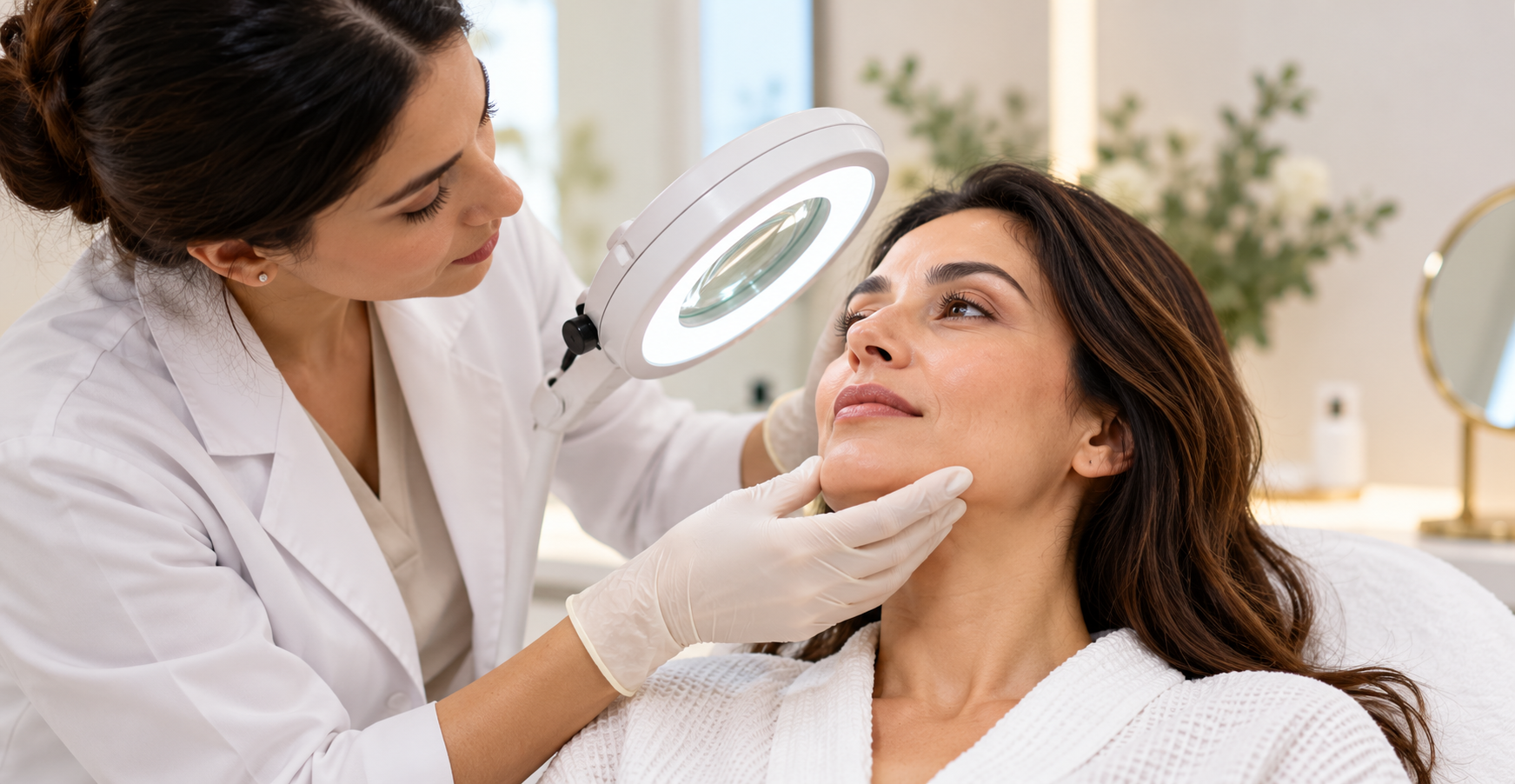
Fine lines, wrinkles, loss of skin firmness, uneven texture, and changes in facial volume are natural parts of ageing. However, if your skin looks tired or you have started noticing changes in your facial features, you may be exploring ways to maintain a fresher, healthier-looking appearance without surgery. Non-surgical anti-ageing treatments can help address selected signs of ageing without surgical procedures. The right treatment depends on whether your main concern is expression lines, skin texture, dehydration, pigmentation, volume loss, or reduced firmness. At Skin Series, a doctor-led medical aesthetics clinic in Thane West, anti-ageing care focuses on personalised treatment planning, protocols designed for Indian and brown skin, and long-term skin health. What Are the Best Non-Surgical Anti-Ageing Treatments? The most suitable treatment depends on the concern being addressed. These treatments serve different purposes. A consultation can help determine which options, if any, are appropriate for your skin. 1. Botox for Fine Lines and Expression Wrinkles Botox is an injectable treatment that temporarily reduces activity in selected facial muscles responsible for dynamic wrinkles. What Can Botox Help With? Botox may help soften: The treatment does not restore lost facial volume or directly improve every type of skin texture concern. Results are temporary, and the duration varies between individuals. At Skin Series, anti-wrinkle treatment is planned around facial anatomy, muscle movement, and desired outcomes, with the aim of maintaining natural-looking expressions. Learn more about Botox treatment in Thane or explore anti-wrinkle therapy. What to expect: Treatment involves injections and may cause temporary redness, tenderness, or bruising. Results develop over several days, with the full effect often assessed after around two weeks. A qualified medical professional should explain the benefits, risks, and suitability before treatment. 2. Dermal Fillers for Facial Volume and Contouring Ageing can involve changes in facial fat distribution, bone structure, and skin support. These changes may contribute to hollow cheeks, reduced definition, or deeper facial folds. Dermal fillers are injectable treatments used to restore volume or enhance selected facial contours. Many commonly used fillers contain hyaluronic acid. Which Concerns Can Fillers Address? Depending on your facial anatomy, fillers may be considered for: Fillers are not suitable for everyone and cannot address every cause of facial ageing. Results and longevity depend on the product, treatment area, and individual factors. Explore dermal fillers treatment in Thane to understand the available approach. What to expect: Swelling, tenderness, and bruising can occur. Fillers also carry rare but serious risks, including vascular complications. Treatment should only be performed by a suitably qualified medical professional with appropriate knowledge of facial anatomy and complication management. 3. Skin Booster Treatment for Hydration and Skin Quality Dehydrated skin can appear dull, and fine lines may become more noticeable when the skin lacks moisture. Skin boosters are designed primarily to improve aspects of skin hydration and quality, depending on the formulation. Who May Consider Skin Boosters? Skin boosters may be discussed if your concerns include: They are different from traditional dermal fillers, which are generally used to restore volume or enhance facial contours. Skin boosters are not a universal treatment for pigmentation, acne, or deeper wrinkles. Learn more about skin booster treatment in Thane. What to expect: Some skin boosters are injectable and can cause temporary swelling, redness, injection marks, or bruising. The number of sessions and expected results depend on the product used and your individual assessment. 4. Skin Tightening for Mild Skin Laxity As collagen and elastin change with age, the skin may gradually lose some of its firmness. This can affect areas such as the cheeks, jawline, neck, and lower face. Selected non-surgical skin-tightening procedures use controlled energy to target tissues and may stimulate collagen remodelling. Can Skin Tightening Improve Jawline Definition? Depending on the technology and your skin condition, skin tightening may help improve the appearance of mild laxity. However, it cannot reliably replace surgery for substantial excess skin or address every cause of a less-defined jawline. Explore skin tightening treatment in Thane to learn more about this option. What to expect: Results can develop gradually and vary with the device, treatment settings, degree of laxity, and individual response. Some procedures may cause temporary redness or swelling. Your clinician should explain the expected benefits and limitations before treatment. 5. Chemical Peels for Uneven Texture and Pigmentation Not every visible sign of ageing is caused by wrinkles. Uneven pigmentation, dullness, and rough texture can also affect the appearance of mature skin. Chemical peels use selected exfoliating agents to encourage skin renewal. Depending on the formulation, they may help improve selected pigmentation and surface-texture concerns. When Are Chemical Peels Appropriate? A chemical peel may be considered if your concerns include: For Indian and brown skin, the peel type and strength need to be carefully selected because irritation can trigger post-inflammatory pigmentation. Explore chemical peel treatment in Thane to understand whether it may suit your skin. What to expect: Temporary redness, dryness, sensitivity, and peeling may occur. Recovery depends on the type and strength of the peel, so professional assessment and appropriate aftercare are essential. 6. Microneedling and MNRF for Texture and Skin Firmness Microneedling and microneedling radiofrequency (MNRF) are procedures that may be considered for selected concerns involving skin texture, acne scars, and early signs of ageing. How Are These Treatments Different? Both treatments may support improvements in selected texture concerns, but their suitability depends on the type of concern, skin condition, and treatment protocol. Explore microneedling treatment in Thane or MNRF treatment. What to expect: Temporary redness, sensitivity, and swelling can occur. Multiple sessions may be needed, and these procedures are not suitable for every skin condition. Active inflammatory acne and certain other conditions may require management before treatment. 7. PDRN Skin Rejuvenation for Selected Skin-Quality Concerns PDRN, also known as polynucleotide-based treatment, is used in aesthetic medicine as an approach to supporting skin quality and repair processes. Depending on the product and protocol, PDRN may be considered for selected concerns involving hydration, texture, and fine lines. However, evidence and outcomes vary, and it should not…

Your wedding is an important milestone, and naturally, you want your skin to look fresh, hydrated, and healthy in every photograph. However, busy schedules, irregular sleep, stress, dehydration, and existing skin concerns can leave your complexion looking dull or tired just when you want it to look its best. The good news is that the right pre-wedding skin treatment depends on what is making your skin look tired. Dehydration, uneven texture, pigmentation, dark circles, and early signs of ageing do not all require the same procedure. At Skin Series, a doctor-led medical aesthetics clinic in Thane West, skin treatments are personalised according to your concerns, skin condition, and wedding timeline. The focus is on protocols designed for Indian and brown skin, phased treatment planning, and natural-looking results rather than last-minute procedures. What Are the Best Skin Treatments for Dull, Tired-Looking Skin? The most suitable option depends on your primary concern: Not every bride needs a professional procedure. A consultation can help determine whether a treatment is necessary and how much time to allow before the wedding. 1. Skin Booster Treatment for Hydrated, Radiant-Looking Skin Dehydration can make the complexion appear dull and cause fine lines to look more noticeable. Skin boosters are injectable treatments designed primarily to improve skin hydration and quality, depending on the formulation used. How Can Skin Boosters Help Before a Wedding? For suitable candidates, skin boosters may help improve: Skin boosters are different from conventional dermal fillers, which are generally used to restore volume or enhance facial contours. They are not a universal treatment for pigmentation, active acne, or every form of dullness. At Skin Series, treatment selection depends on your skin condition, goals, and suitability for the procedure. Explore skin booster treatment in Thane to understand this option. Wedding timeline: Discuss treatment well in advance. Injectable skin boosters can cause temporary swelling, redness, injection marks, or bruising, so avoid scheduling an unfamiliar procedure immediately before your wedding. 2. Chemical Peel for Dullness and Uneven Skin Texture A chemical peel uses selected exfoliating agents to encourage skin renewal. Depending on the formulation, it may help improve surface texture, dullness, and certain types of uneven pigmentation. Who May Benefit From a Chemical Peel? A chemical peel may be considered if your skin concerns include: The type and strength of the peel should be chosen according to your skin sensitivity, condition, and previous treatments. This is especially important for Indian and brown skin because irritation from an unsuitable peel can sometimes trigger post-inflammatory pigmentation. At Skin Series, a professional assessment helps determine whether a peel is appropriate and what recovery period may be required. Learn more about chemical peel treatment in Thane. Wedding timeline: Allow sufficient time for recovery. Redness, dryness, sensitivity, or peeling can occur, depending on the treatment. Avoid experimenting with an unfamiliar peel during the final few days before the wedding. 3. PDRN Skin Rejuvenation for Skin Quality If your skin appears tired because of dehydration, fine lines, or uneven texture, you may want to explore regenerative skin treatments. PDRN, also known as polynucleotide-based treatment, is used in aesthetic medicine to support skin quality. Depending on the product and protocol, it may be considered for concerns involving skin hydration, texture, and the appearance of fine lines. Is PDRN Suitable for Pre-Wedding Skin Preparation? PDRN may be an option for selected patients whose goals involve improving skin quality rather than adding significant facial volume. However, it does not guarantee an instant glow or correct every cause of tired-looking skin. Results vary, and treatment may require multiple sessions. At Skin Series, suitability should be determined through an individual assessment, particularly if you have sensitive skin, existing skin conditions, or a short timeline before your wedding. Explore PDRN skin rejuvenation treatment in Thane to learn more. Wedding timeline: Ask your doctor how many sessions may be appropriate, what improvement is realistic, and how much recovery time to allow. Injectable treatment can cause temporary redness, swelling, or bruising. 4. Laser Toning for Uneven Skin Tone and Pigmentation Sometimes, dull-looking skin is actually affected by uneven pigmentation, sun-related discoloration, or post-acne marks. Laser toning uses controlled laser energy to target selected pigmentary concerns. It may help improve the appearance of certain dark spots and uneven skin tone when the treatment is appropriately selected. When Should You Consider Laser Toning? Laser toning may be worth discussing if your main concerns include: It is not suitable for every pigmentation condition. Melasma and other complex pigmentary concerns may need a different management plan. For Indian and brown skin, the appropriate device, settings, and treatment protocol are important because unsuitable treatment can cause irritation or additional pigmentation. Explore laser toning treatment at Skin Series. Wedding timeline: Start with a consultation several weeks or longer before the event. Pigmentation may take multiple sessions to improve, and some temporary redness or irritation can occur. 5. Under-Eye Treatment for Dark Circles and Tired-Looking Eyes Dark circles and under-eye hollowness can make your face look tired even when the rest of your skin appears healthy. However, under-eye darkness can result from several factors, including pigmentation, thin skin, visible blood vessels, genetics, and volume loss. Identifying the underlying cause is important before choosing a treatment. Which Under-Eye Treatments May Be Considered? Depending on the assessment, your doctor may discuss options to address: Dermal fillers are not suitable for every type of dark circle and carry specific risks, particularly around the eyes. Professional assessment is essential before considering injectable treatment. Explore under-eye treatment in Thane to learn more about a cause-based approach. Wedding timeline: Plan well in advance if you are considering a procedure. Swelling and bruising may occur, and the appropriate recovery period depends on the treatment. When Should You Start Pre-Wedding Skin Treatments? Your timeline depends on your main concern, the treatment selected, and your skin’s response. Starting early provides more time to assess your skin, plan appropriate treatment, and allow recovery. Time before wedding Recommended focus 3–6 months before Assess persistent pigmentation, recurring acne, acne scars,…

Wedding season means bridal outfits, pre-wedding photoshoots, family functions, and several days of celebrations. For many women, unwanted facial or body hair is another detail to manage alongside skincare, makeup, and outfit planning. If you are considering laser hair removal before your wedding, ideally start around 8–10 months in advance if you want time to complete a structured course of sessions. Laser hair reduction works gradually because hair grows in different cycles, and multiple sessions are usually needed for meaningful, long-term reduction. At Skin Series, Thane West, the Permanent Hair Reduction Program follows a doctor-led, structured approach using Soprano Titanium technology, with treatment planning tailored to your skin tone, hair growth, and individual goals. How Early Should You Start Laser Hair Removal Before Your Wedding? For most brides planning a complete course, starting approximately 8–10 months before the wedding provides a practical timeline. You may begin later, but the number of sessions completed before your event will depend on your starting date, treatment intervals, and individual response. Skin Series’ Permanent Hair Reduction Program outlines an eight-session plan, with sessions generally spaced 30–45 days apart. Your Pre-Wedding Laser Hair Removal Timeline Time before the wedding What to plan 8–10 months before Schedule a consultation, assess your skin and hair, and begin a personalised treatment plan. 5–7 months before Continue scheduled sessions and review hair reduction progress. 2–4 months before Continue according to your treatment plan and discuss any remaining sessions. Final few weeks Confirm appropriate timing with your clinician and avoid last-minute changes to your treatment schedule. These are general planning guidelines, not guaranteed timelines. Hair growth, treatment area, hormonal factors, and skin response can affect the schedule. How Does Laser Hair Removal Work? Laser hair reduction uses concentrated light energy to target pigment in hair follicles. The absorbed energy damages the follicle’s ability to produce hair, helping reduce future growth. Because hair grows in different phases, a single session cannot effectively target every follicle. Multiple sessions are needed to treat hair during suitable growth phases. What Results Can You Expect? With a properly planned course, laser hair reduction may help achieve: Laser treatment is best understood as long-term hair reduction, not a guarantee that every hair will disappear permanently. Results vary according to hair colour, thickness, skin type, hormonal influences, and the treatment protocol. Maintenance sessions may be needed. Which Areas Should Brides Consider Treating? The treatment plan depends on your preferences, hair growth, and wedding schedule. Common areas include: If you are planning treatment for multiple areas, discuss them during your first consultation so that the sessions can be scheduled appropriately. Is Laser Hair Removal Suitable for Indian and Brown Skin? Laser hair removal can be suitable for Indian and brown skin when the technology, settings, and treatment protocol are selected appropriately. Skin Series uses Soprano Titanium, a triple-wavelength laser platform designed to target hair follicles at different depths. Its suitability for your specific skin and hair characteristics should still be confirmed during a clinical assessment. Before beginning treatment, the clinical team should evaluate: No laser treatment is completely risk-free. Temporary redness, irritation, burns, or pigmentation changes can occur, particularly when treatment is unsuitable or settings are inappropriate. Learn more about laser hair removal treatment in Thane to understand the procedure and consultation process. What Should You Do Before and After Each Session? Following preparation and aftercare instructions helps reduce avoidable irritation and supports appropriate treatment. Before Treatment After Treatment Your clinician should provide instructions specific to your treatment and skin. What If Your Wedding Is Only Two or Three Months Away? You can still arrange a consultation, but it is important to set realistic expectations. Laser hair reduction may produce visible improvement over a few sessions, although the amount of reduction varies. You may not complete an entire course before the wedding, and remaining hair may still require temporary management. Avoid trying to squeeze extra sessions into a shorter period without medical advice. Sessions should be scheduled according to hair growth, skin response, and the recommended treatment interval. If your wedding is approaching, discuss the safest timing for any final session so that temporary redness or irritation does not interfere with the event. Why Choose Skin Series for Pre-Wedding Laser Hair Removal in Thane? Skin Series is a doctor-led medical aesthetics clinic in Thane West, Mumbai, offering a structured Permanent Hair Reduction Program using Soprano Titanium technology. The clinic’s approach includes: Rather than treating laser hair reduction as a one-time appointment, the program focuses on progressive reduction and realistic long-term goals. Planning your wedding? Book a consultation with Skin Series in Thane West to discuss your treatment areas and create a timeline that fits your wedding date. Frequently Asked Questions 1. How many months before my wedding should I start laser hair removal? Ideally, start around 8–10 months before your wedding if you want time for a structured eight-session course. Your required timeline may vary according to treatment intervals, hair growth, and individual response. 2. How many laser hair removal sessions are needed before a wedding? Skin Series’ Permanent Hair Reduction Program outlines eight sessions spaced approximately 30–45 days apart. The actual number of sessions and whether maintenance is needed depend on your hair characteristics, treatment area, and response. 3. Can I get laser hair removal one week before my wedding? Do not schedule a new or unfamiliar session immediately before your wedding without consulting your clinician. Temporary redness or irritation can occur. Ask your provider whether the timing is appropriate for your skin and treatment history. 4. Is laser hair removal safe for Indian skin? It can be suitable when the appropriate technology and settings are selected for your skin and hair. A professional assessment is important because burns and pigmentation changes are possible with unsuitable treatment. 5. Can I shave between laser hair removal sessions? Shaving is generally compatible with laser hair reduction because it does not remove the hair follicle. Follow your clinic’s instructions, and avoid waxing, threading, or plucking when these methods would…

Diwali is a time for celebrations, family gatherings, and photographs. If you are concerned about dark spots, pigmentation, post-acne marks, or dull skin, starting your skincare preparation early can help you choose the right treatment. The best pigmentation treatment depends on the cause of discoloration, your skin type, and the time available before Diwali. Not every dark spot requires a laser or chemical peel, and last-minute procedures may cause unnecessary irritation. At Skin Series, a doctor-led medical aesthetics clinic in Thane West, treatments are personalised for individual skin concerns, with protocols designed for Indian and brown skin. What Is the Best Skin Brightening Treatment Before Diwali? The most suitable treatment depends on the concern being addressed. Skin brightening means improving skin clarity and the appearance of uneven tone, not changing your natural skin colour. 1. Blemish Free Program for Pigmentation The Blemish Free Program at Skin Series focuses on pigmentation, post-acne marks, and uneven skin tone through structured, personalised treatment planning. Who May Benefit? Women concerned about persistent dark spots or marks left after acne may benefit from an assessment to identify the type of pigmentation and suitable options. Depending on the assessment, the plan may include: Important: Skin Series states that the Blemish Free Program is not designed for melasma. Suspected melasma requires a separate medical assessment and suitable management plan. 2. Laser Toning for Selected Pigmentation Concerns Laser toning uses controlled laser energy to target certain forms of pigmentation. It may help improve the appearance of selected dark spots and uneven skin tone. When Should You Start Laser Toning? Consider a consultation several weeks before Diwali. Pigmentation may require multiple sessions, and results generally develop gradually. Laser toning may not be suitable for every pigmentation condition. Incorrect settings can cause burns, irritation, or additional pigmentation, particularly in brown skin. Explore laser toning treatment in Thane to learn more about this option. 3. Chemical Peel for Dullness and Uneven Texture A chemical peel uses selected exfoliating agents to encourage skin renewal. Depending on the peel and your skin condition, it may help improve: Is a Chemical Peel Suitable Before Diwali? The type and strength of the peel determine the recovery time. Redness, dryness, sensitivity, or visible peeling can occur, so avoid trying an unfamiliar peel immediately before a major event. Learn more about chemical peel treatment in Thane and discuss suitability with a qualified practitioner. 4. Skincare Ingredients for Pigmentation Maintenance A consistent home-care routine helps support skin health and reduce factors that may worsen pigmentation. Depending on the concern and your skin’s tolerance, a clinician may recommend: Do not introduce several active ingredients at once. Irritation can make pigmentation worse, and prescription-strength products should be used with appropriate medical guidance. Why Is Sunscreen Important for Pigmentation? Daily sun protection helps prevent existing pigmentation from becoming darker and reduces further UV exposure. The American Academy of Dermatology’s guide to fading dark spots provides additional guidance. 5. Treat Active Acne Before Post-Acne Marks If you have active pimples and dark marks together, managing ongoing breakouts is often an important first step. Continued inflammation can create new marks while older ones are fading. The Acne Erase Program at Skin Series focuses on active acne, recurring breakouts, and supporting the skin barrier through a phased approach. Once acne is appropriately controlled, remaining pigmentation can be assessed separately. Acne scars involving depressed or raised skin require a different assessment from flat brown marks. When Should You Start Pigmentation Treatment Before Diwali? Your timeline depends on the procedure, the type of pigmentation, and your skin’s response. Timing What to focus on 4–8 weeks before Arrange an assessment and discuss suitable pigmentation treatments. Some concerns need longer. 2–4 weeks before Follow an established treatment plan and allow sufficient recovery time. Final week Maintain familiar skincare, moisturise, use sunscreen, and avoid unfamiliar procedures. These are general planning guidelines, not guaranteed treatment timelines. Pigmentation may take several weeks or months to improve. How Do You Choose the Right Pigmentation Treatment? Start by identifying the concern rather than selecting a procedure based on popularity. Skin concern Approach to discuss Post-acne marks Control active acne and assess the remaining pigmentation. Selected dark spots Consider suitable skincare or targeted treatment after assessment. Uneven skin tone Discuss whether laser toning or another approach is appropriate. Dullness and rough texture Review home care and the suitability of a chemical peel. Suspected melasma Seek a dedicated medical assessment and management plan. Why Choose Skin Series for Pigmentation Treatment in Thane? Skin Series is a doctor-led medical aesthetics clinic in Thane West, Mumbai, focused on personalised skin and hair programs designed for Indian and brown skin. The clinic’s approach considers the type of pigmentation, skin condition, possible triggers, and treatment goals before recommending a plan. Whether you are concerned about dark spots, post-acne marks, or uneven skin tone, the first step is to understand what is causing the discoloration. Book a consultation with Skin Series to discuss appropriate treatment options and plan your skincare journey before Diwali. Frequently Asked Questions 1. Which is the best skin brightening treatment before Diwali? The best option depends on the cause of your concern. Laser toning may suit selected pigmentation concerns, while certain chemical peels may help with uneven texture. A consultation can help determine the appropriate approach. 2. How many sessions are needed to reduce pigmentation? The number of sessions depends on the type and severity of pigmentation, the chosen treatment, and individual response. Some concerns require multiple sessions and maintenance. 3. Is laser toning safe for Indian and brown skin? Laser toning may be suitable for selected concerns when the device, settings, and protocol are appropriate. Incorrect treatment can cause irritation or pigmentation changes, so professional assessment is essential. 4. Can a chemical peel permanently remove pigmentation? No chemical peel guarantees permanent removal. Results depend on the underlying cause, treatment selected, sun exposure, and other contributing factors. 5. Can pigmentation return after treatment? Yes. Sun exposure, hormonal influences, and recurring inflammation may contribute to pigmentation…

Want to understand the causes and treatments in more detail? Explore our complete guide below ↓ 1. Why Does Hair Fall Happen? Hair fall is common, but persistent shedding or gradually thinning hair can indicate an underlying issue that needs attention. Before choosing a hair growth product or booking an in-clinic procedure, it is important to understand the difference between normal hair shedding and different forms of hair loss. Understanding the Normal Hair Growth Cycle Hair grows in a repeating cycle that includes a growth phase, a transition phase and a resting phase. At the end of this cycle, the hair sheds and new hair may grow from the same follicle. Losing approximately 50–100 hairs per day is commonly described as normal. Finding a few strands on your pillow, comb or bathroom floor does not necessarily mean you have a hair loss condition. Problems arise when the shedding becomes excessive, hair follicles progressively produce thinner strands, or new hair does not adequately replace hair that has been lost. Hair Shedding, Hair Thinning and Hair Breakage Are Different Excessive hair shedding usually means more hairs than usual are entering the shedding phase. It can be associated with stress, illness, childbirth or significant weight changes. Hair thinning refers to a reduction in hair density. You may notice a widening parting, reduced coverage at the crown or a progressively thinner ponytail. Hair breakage occurs when the hair shaft breaks before reaching its normal length. Heat styling, chemical treatments, friction, tight hairstyles and hair-shaft damage can contribute to breakage. These concerns can occur together, but they do not necessarily have the same cause or require the same treatment. The American Academy of Dermatology’s guide to hair loss explains how to distinguish excessive shedding from other forms of hair loss. Understanding this distinction is the first step towards choosing an appropriate treatment. 2. Why Can Hair Fall Start 2–3 Months After a Trigger? One of the most confusing aspects of hair fall is the delay between a stressful event and the beginning of excessive shedding. You may have recovered from an illness, returned to your regular routine after a demanding period, or completed a phase of rapid weight loss, only to notice increased hair shedding several weeks later. What Is Telogen Effluvium? Telogen effluvium is a form of excessive hair shedding that occurs when a greater proportion of hair follicles shifts into the resting phase of the hair growth cycle. Normally, a relatively small proportion of scalp hairs are in this resting phase at any one time. Following a physical or emotional stressor, more follicles may enter the phase together. The affected hairs then shed after a delay, often around two to three months after the trigger. The British Association of Dermatologists’ patient guide to telogen effluvium explains this delayed shedding pattern and its common triggers. Common Triggers of Delayed Hair Shedding Telogen effluvium may follow: Sometimes, more than one trigger is involved. In other cases, a clear cause cannot be identified. Does Every Type of Hair Loss Start After a Trigger? No. The two-to-three-month pattern is particularly relevant to telogen effluvium, not every form of hair loss. Hereditary or pattern hair loss often develops gradually over months or years. Alopecia areata which is an autoimmune condition may cause sudden, well-defined bald patches, while certain inflammatory or scarring conditions can damage follicles and lead to permanent hair loss if treatment is delayed. If shedding continues, your hair density is decreasing, or you notice an unusual pattern of hair loss, a clinical assessment can help distinguish between these possibilities. 3. What Are the Common Causes of Hair Fall? Hair loss is often multifactorial. A person may have hereditary thinning alongside iron deficiency, or temporary shedding that makes an underlying pattern of hair loss more noticeable. Iron Deficiency and Low Iron Stores Iron is necessary for several bodily functions, including the production of haemoglobin, which carries oxygen in the blood. Iron deficiency, with or without anaemia, may be associated with diffuse hair shedding. Women with heavy menstrual bleeding, restricted diets, pregnancy-related nutritional demands or certain gastrointestinal conditions may have a higher likelihood of iron deficiency. However, not every person with hair fall has low iron, and a low ferritin result must be interpreted alongside the person’s symptoms and other findings. Iron supplementation should not be started simply because hair is falling. Nutritional Deficiencies Inadequate protein and certain nutrient deficiencies can contribute to hair loss. Low intake, restrictive diets, significant weight loss and conditions affecting nutrient absorption may increase the risk. Vitamin D and vitamin B12 deficiencies may be relevant in selected patients. However, an association between a low nutrient level and hair loss does not automatically establish that the deficiency is the sole cause. Taking extra supplements when your levels are already adequate is not a guaranteed way to improve hair growth. Thyroid Disorders Both underactive and overactive thyroid conditions can affect the hair growth cycle. Hair thinning or excessive shedding may occur alongside other symptoms such as fatigue, weight changes, temperature sensitivity, menstrual changes or changes in bowel habits. A thyroid blood test may be appropriate when the medical history or examination suggests a thyroid-related contribution. Hormonal Changes and PCOS Hormonal changes around pregnancy, childbirth and menopause can influence hair growth. Women with polycystic ovary syndrome (PCOS) may experience scalp thinning alongside irregular periods, acne, oily skin or increased facial and body hair. These features do not prove that PCOS is responsible, but they may indicate that a more focused hormonal assessment is needed. Hormone testing should be selected according to the symptoms and clinical findings rather than automatically ordering a complete hormone panel for everyone experiencing hair fall. Genetic Hair Loss Female and male pattern hair loss is commonly associated with genetic susceptibility and the gradual miniaturisation of hair follicles. Women may notice a widening parting or thinning over the crown, while men often develop a receding hairline or thinning around the crown. The pattern differs between individuals, and both men and women can…